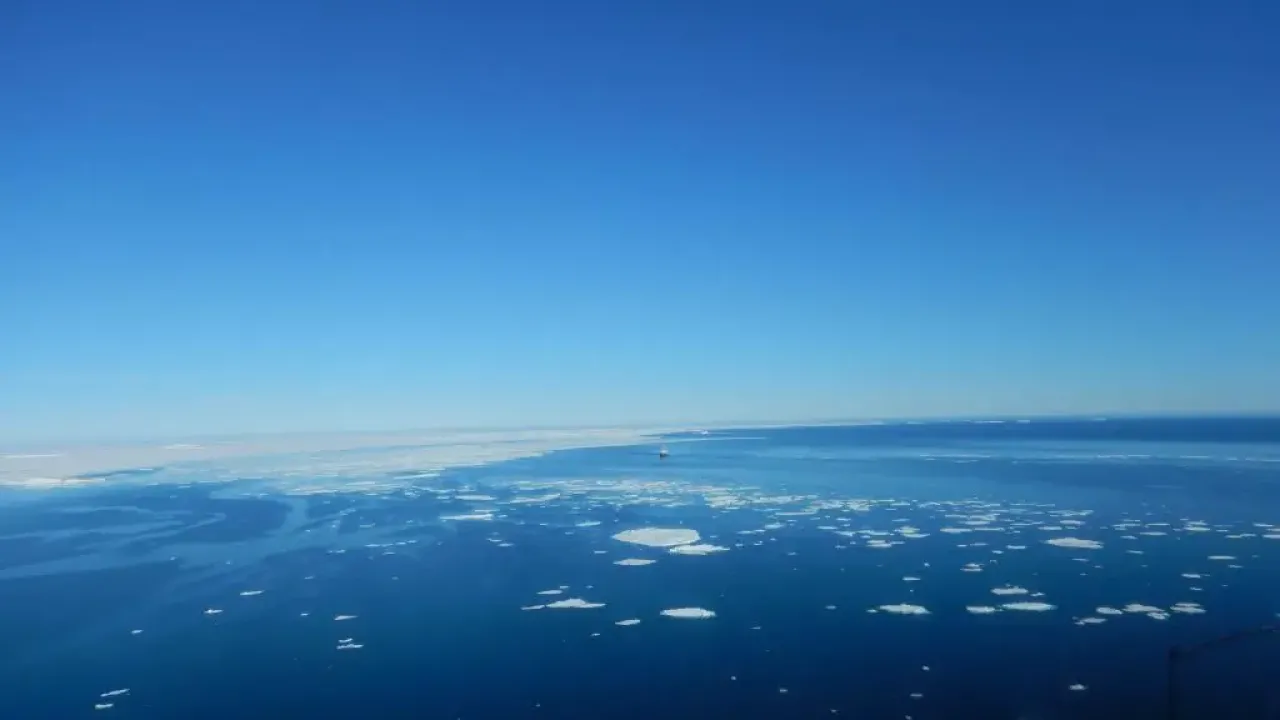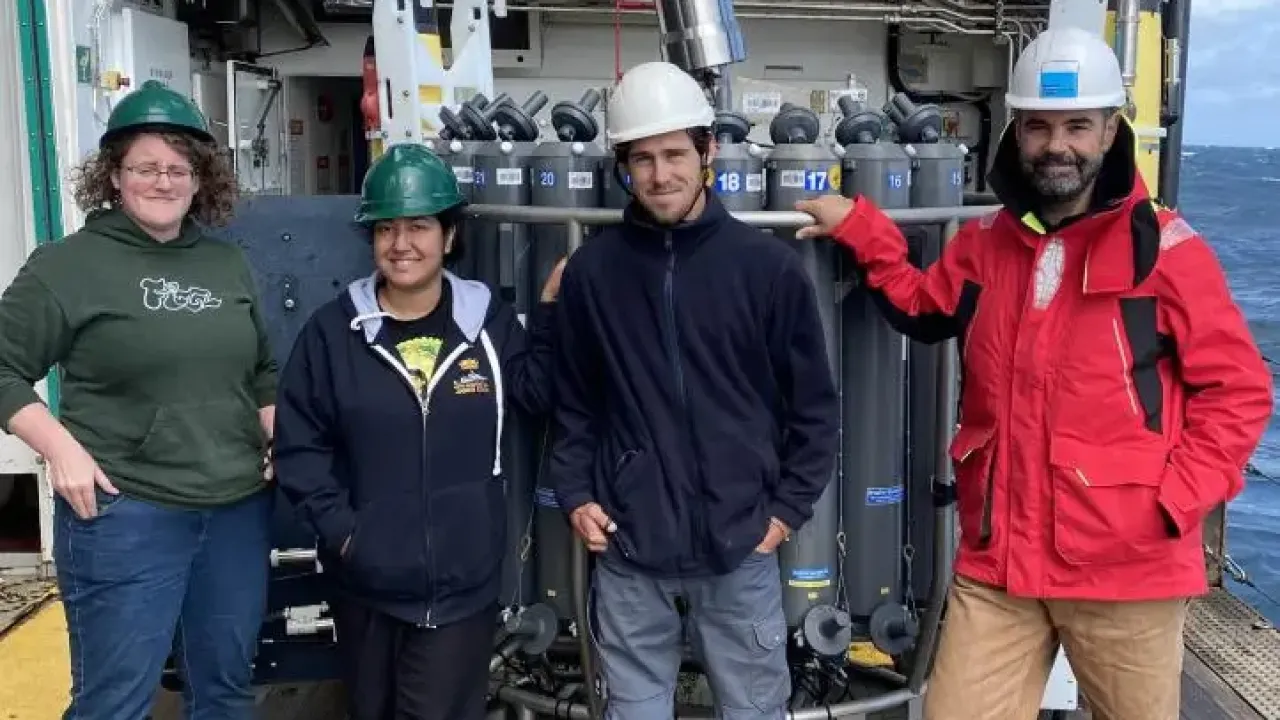

The deep sea is an extreme environment characterized by intense pressures, complete darkness, and cold temperatures. In this realm, single-celled organisms known as foraminifera, or "forams," dominate the communities in abyssal plain nodule fields. Forams span all size classes, from meio-fauna (organisms from 42 μm to 1 mm) to macro-fauna (1 mm to 1 cm), and even mega-fauna (> 1 cm; Figure 1).
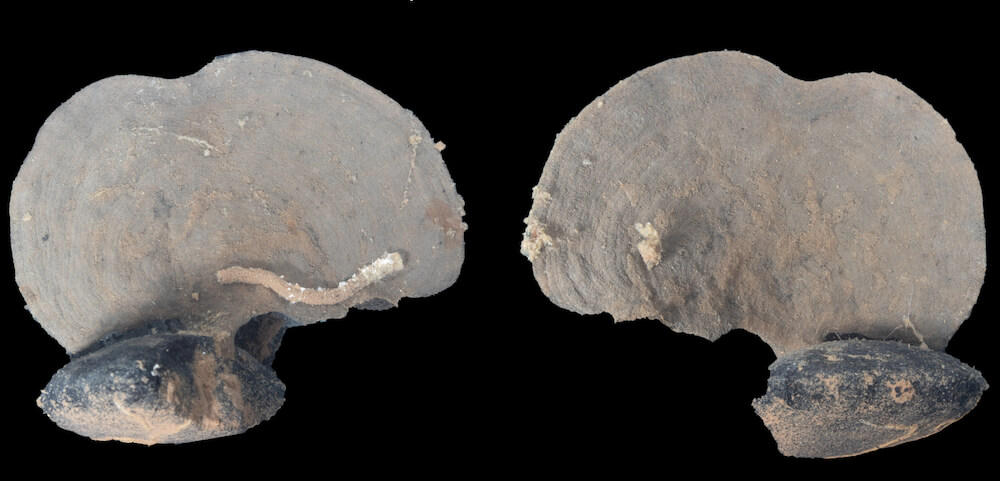
Among the giant forams, xenophyophores stand out as the largest single-celled organisms, reaching sizes of up to 25 cm. See an example of a 10-cm individual in 3D: https://skfb.ly/oStHt. The term "xenophyophore" comes from Greek, meaning "bearer of foreign bodies," as they construct their bodies using the shells of dead organisms found in the sediment. In a sense, they are the deep sea's Frankenstein, crafting their skeletons from the remains of other creatures.
Xenophyophores display a diversity of morphologies (Figure 2). They can thrive on hard substrates like nodules or live freely in the sediment (Figure 2). As ecosystem engineers, they play a crucial role in the functioning of deep-sea habitats by providing hard substrates and shelter for other organisms to live on like polychaetes and brittle stars. Studies have shown that their shells can serve as a refugium for fish eggs (Levin & Rouse, 2020).
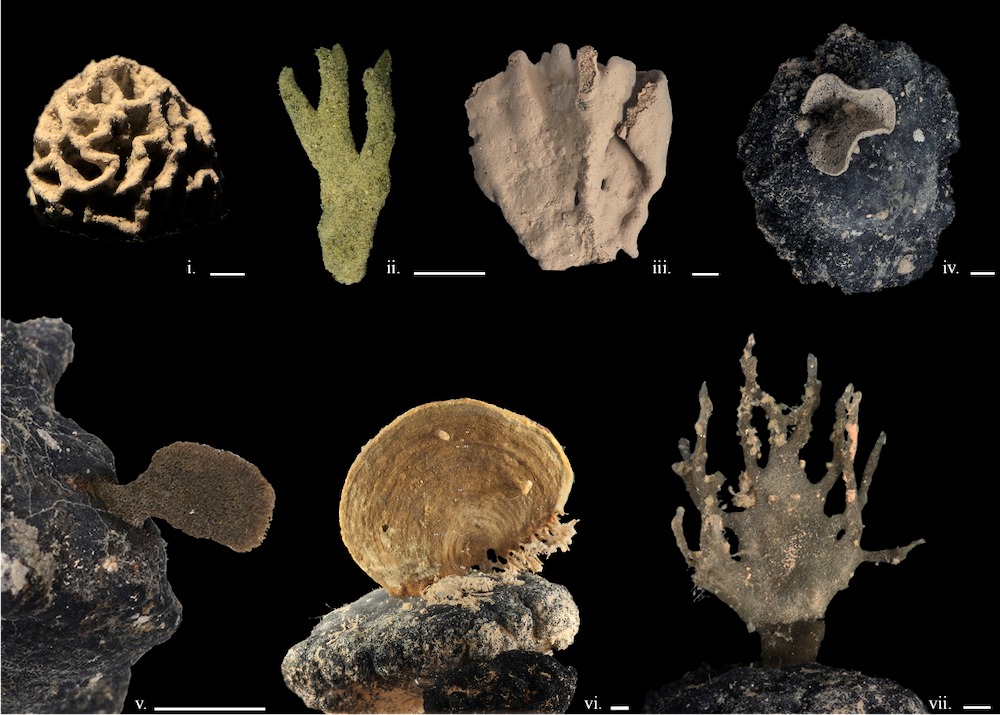
Xenos are also important bioindicators of recovery and succession, as was observed in the aftermath of the Mount Pinatubo ashfall where some areas of the South China Sea experienced over 10 cm of rapid sedimentation (Hess et al., 2001). Xenophyophores were observed after only a few years recolonizing this area. Xenophyophores offer valuable insights into the resilience and succession state of deep-sea ecosystems so monitoring these indicators can help us understand the changing abyss.
Bryan O'Malley
References
Levin, L. A., & Rouse, G. W. (2020). Giant protists (xenophyophores) function as fish nurseries. Ecology, 101(4). doi:10.1002/ecy.2933
Hess, S., Kuhnt, W., Hill, S., Kaminski, M. A., Holbourn, A., & De Leon, M. (2001). Monitoring the recolonization of the Mt Pinatubo 1991 ash layer by benthic foraminifera. Marine Micropaleontology, 43(1-2), 119-142. doi:10.1016/S0377-8398(01)00025-1
Be part of the community helping our ocean thrive.