

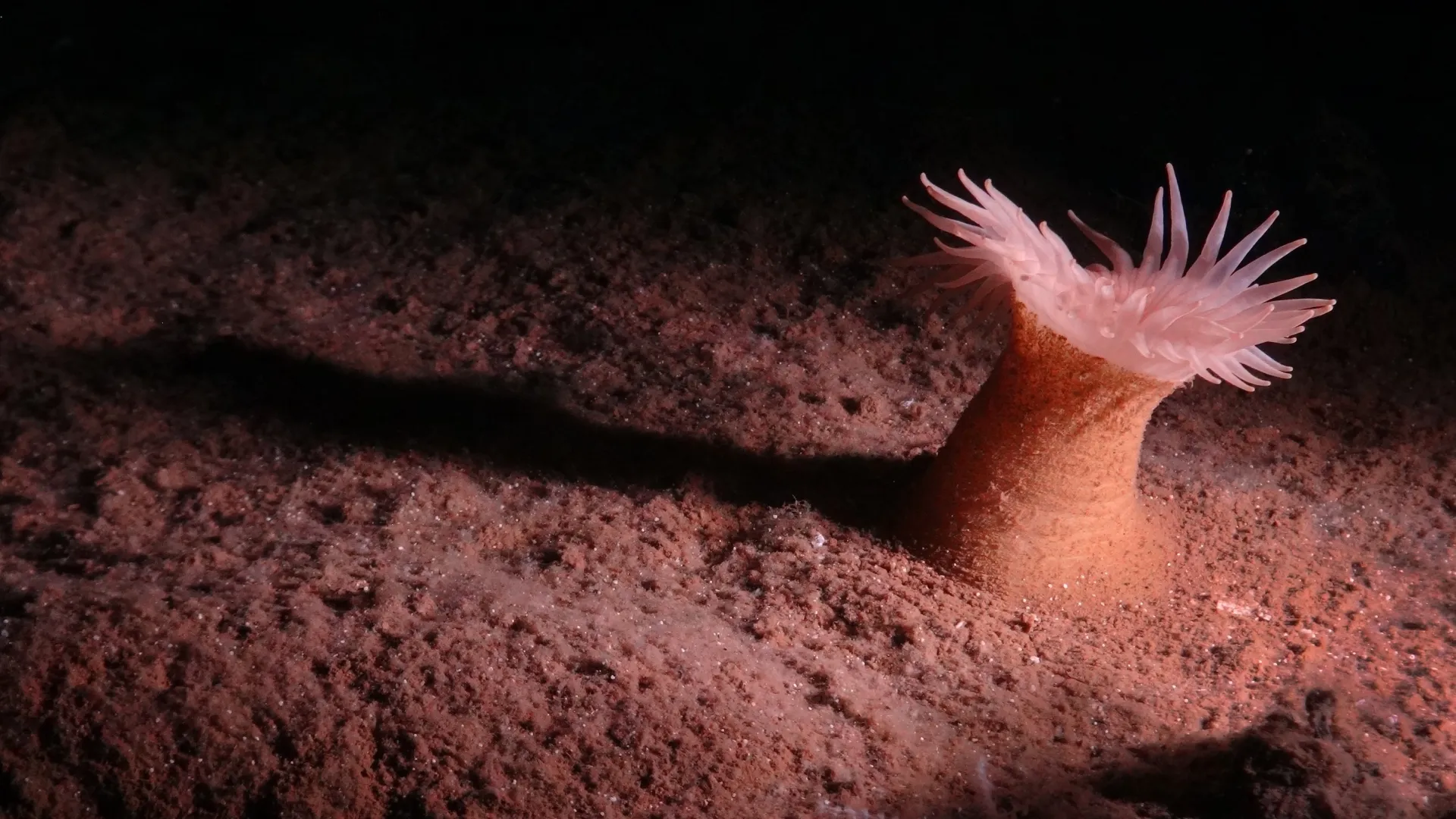
Our Living Oceans
Marine biodiversity spans the full spectrum of life in our ocean, from microscopic plankton to great whales, and includes the genetic variation within species and the diversity of habitats which they depend. This rich variety underpins healthy, functioning ecosystems, sustaining intricate food webs and vital chemical cycles.
Yet marine biodiversity is under threat as never before. Climate change, pollution, overexploitation and habitat loss are putting ocean ecosystems under severe pressure, contributing to a global biodiversity crisis.
By making marine biodiversity one of our strategic priorities, the National Oceanography Centre is building the knowledge and evidence society needs to understand and reduce biodiversity loss. Our work underpins national and international commitments, including the Global Ocean Treaty and the Global Biodiversity Framework.


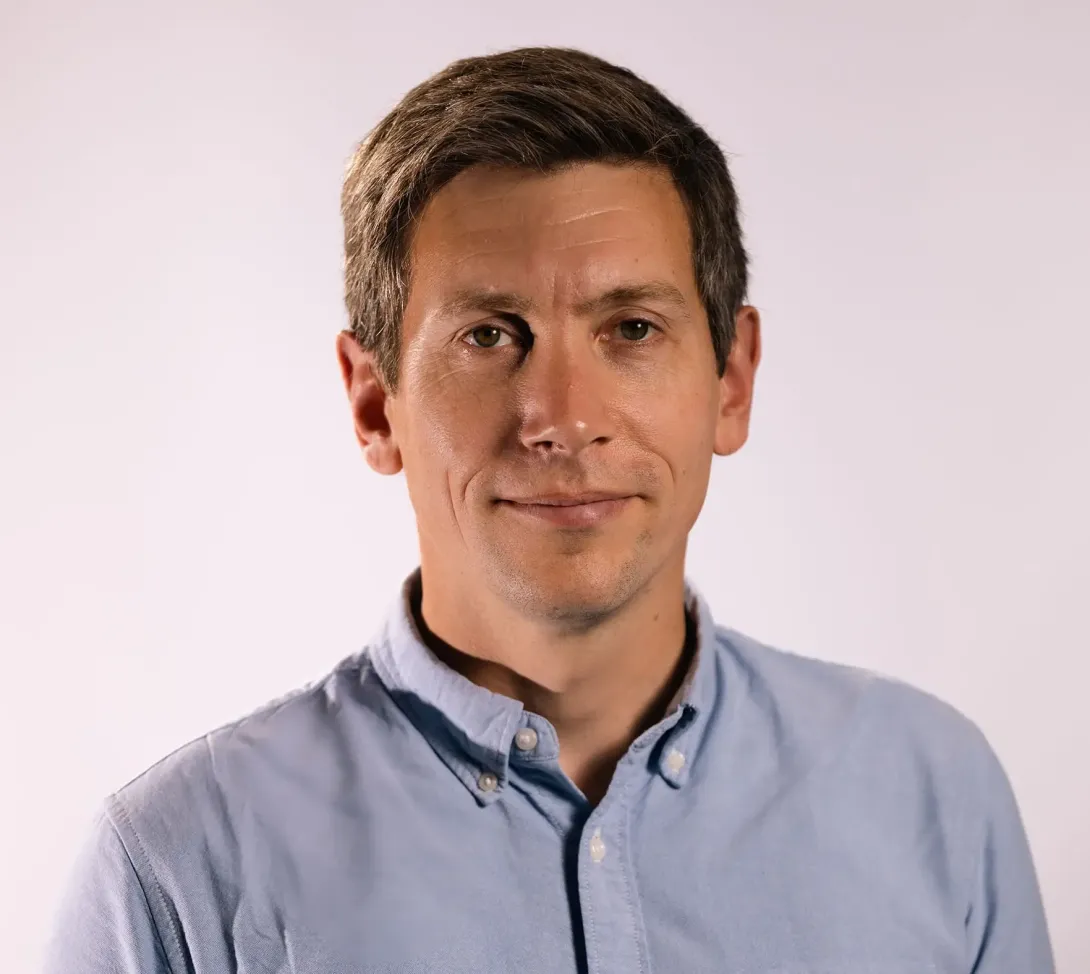
Hear from Our Biodiversity Mission Lead
Our ocean is vital to life on earth. At NOC, we aim to gain deeper knowledge of marine biodiversity through world-leading ocean science, technology and data, providing the evidence needed to help every living thing on our planet flourish."
Engage With Biodiversity Conversations


Biodiversity Publications
Muller-Karger, Frank E  ORCID: https://orcid.org/0000-0003-3159-5011; Tan, Aileen Shau Hwai; Allcock, A Louise; Appeltans, Ward; Aguilar, Claudia Barón; Blanco, Andreu; Bograd, Steven J ORCID: https://orcid.org/0000-0003-3872-9932; Costello, Mark John; Darnaude, Audrey M; Dupuis, Britt; Evaux, Lucie M; Goodwin, Kelly; Jungbluth, Sean; Leinen, Margaret; Levin, Lisa A ORCID: https://orcid.org/0000-0002-2858-8622; Mahapatra, Pooja; Martone, Rebecca; Nordlund, Lina Mtwana ORCID: https://orcid.org/0000-0002-4450-2331; Ndah, Anthony B; Pante, Eric ORCID: https://orcid.org/0000-0001-7680-2112; Paul, Ken; Pearlman, Jay; Pelletier, Dominique; Relano, Veronica ORCID: https://orcid.org/0000-0002-6386-5357; Rogers, Alex David ORCID: https://orcid.org/0000-0002-4864-2980; Seeyave, Sophie; Soares, Joana ORCID: https://orcid.org/0000-0002-7105-2815; Taylor, Simon; Pendleton, Linwood.
2025
Capacity sharing to protect and restore ecosystems and biodiversity.
ICES Journal of Marine Science, 82 (1).
10.1093/icesjms/fsae187
ORCID: https://orcid.org/0000-0003-3159-5011; Tan, Aileen Shau Hwai; Allcock, A Louise; Appeltans, Ward; Aguilar, Claudia Barón; Blanco, Andreu; Bograd, Steven J ORCID: https://orcid.org/0000-0003-3872-9932; Costello, Mark John; Darnaude, Audrey M; Dupuis, Britt; Evaux, Lucie M; Goodwin, Kelly; Jungbluth, Sean; Leinen, Margaret; Levin, Lisa A ORCID: https://orcid.org/0000-0002-2858-8622; Mahapatra, Pooja; Martone, Rebecca; Nordlund, Lina Mtwana ORCID: https://orcid.org/0000-0002-4450-2331; Ndah, Anthony B; Pante, Eric ORCID: https://orcid.org/0000-0001-7680-2112; Paul, Ken; Pearlman, Jay; Pelletier, Dominique; Relano, Veronica ORCID: https://orcid.org/0000-0002-6386-5357; Rogers, Alex David ORCID: https://orcid.org/0000-0002-4864-2980; Seeyave, Sophie; Soares, Joana ORCID: https://orcid.org/0000-0002-7105-2815; Taylor, Simon; Pendleton, Linwood.
2025
Capacity sharing to protect and restore ecosystems and biodiversity.
ICES Journal of Marine Science, 82 (1).
10.1093/icesjms/fsae187
2025
Article
Uhlenkott, Katja; Simon-Lledó, Erik ORCID: https://orcid.org/0000-0001-9667-2917; Vink, Annemiek; Martínez Arbizu, Pedro.
2023
Habitat heterogeneity enhances megafaunal biodiversity at bathymetric elevations in the Clarion Clipperton Fracture Zone.
Marine Biodiversity, 53 (4).
10.1007/s12526-023-01346-z
2023
Article
Muller-Karger, Frank E ORCID: https://orcid.org/0000-0003-3159-5011; Tan, Aileen Shau Hwai; Allcock, A Louise; Appeltans, Ward; Aguilar, Claudia Barón; Blanco, Andreu; Bograd, Steven J ORCID: https://orcid.org/0000-0003-3872-9932; Costello, Mark John; Darnaude, Audrey M; Dupuis, Britt; Evaux, Lucie M; Goodwin, Kelly; Jungbluth, Sean; Leinen, Margaret; Levin, Lisa A ORCID: https://orcid.org/0000-0002-2858-8622; Mahapatra, Pooja; Martone, Rebecca; Nordlund, Lina Mtwana ORCID: https://orcid.org/0000-0002-4450-2331; Ndah, Anthony B; Pante, Eric ORCID: https://orcid.org/0000-0001-7680-2112; Paul, Ken; Pearlman, Jay; Pelletier, Dominique; Relano, Veronica ORCID: https://orcid.org/0000-0002-6386-5357; Rogers, Alex David ORCID: https://orcid.org/0000-0002-4864-2980; Seeyave, Sophie; Soares, Joana ORCID: https://orcid.org/0000-0002-7105-2815; Taylor, Simon; Pendleton, Linwood.
2025
Capacity sharing to protect and restore ecosystems and biodiversity.
ICES Journal of Marine Science, 82 (1).
10.1093/icesjms/fsae187
2025
Article


Advancing the Frontiers of Research and Innovation: Read the 2025-2035 Strategy
Discover our vision for a healthier, more resilient ocean. This strategy sets out the actions needed to protect marine ecosystems, drive innovation, and secure a sustainable future for everyone.