


Meet the Individuals Inspiring the Next Generation
By investing in our people, embedding strong values and nurturing an inclusive culture, we are building a resilient and future‑ready organisation capable of delivering world‑leading ocean science.
We have produced career profiles from a range of different functions at NOC - from scientists researching climate impacts, engineers delivering the equipment needed to explore the ocean, and staff enabling others with the platform to deepen our knowledge of the ocean.
Dr Chelsey Baker - Research Scientist

What is your current role at NOC?
I am a Senior Research Scientist in the Global Climate group. My main research interests are focused on how the ocean carbon stores carbon away from the atmosphere over climate-relevant timescales. That includes natural processes, such as how plankton mediate carbon storage in the present day and how that might change by the end of the century due to our changing climate, but also, how engineered approaches, such as carbon dioxide removal, may act as a climate mitigation solution. I use a range of different tools and approaches in my research spanning ocean observations to ocean and climate models and I enjoy working at the interface of different disciplines, such as natural and social science. I am a passionate advocate for advancing diversity, equity and inclusion (DEI) in marine science and I am involved in several NOC and external activities in this space.
Who or what has helped you most in your career?
There are so many people at NOC that have supported and continue to support my career journey through acting as an informal mentor. Knowing that you have people in your corner that you can reach out to if you need support and who are willing to advocate for you has really shaped my career so far and I’m incredibly grateful for their continued support. During my time at NOC I’ve become much more confident in my role and my ability as a researcher thanks to this support.
What has been the biggest challenge or failure in your career to date and how did you overcome it?
Throughout my studies and early career I struggled a lot with imposter syndrome. When I moved into ocean modelling from an ocean observation background my imposter syndrome reached a peak as I had a whole new field to understand, new skill sets to develop and I had to learn a new way of framing research questions. I had somewhat predicted that this would be a trigger but I hadn’t accounted for a pandemic and remote working from 3 weeks into my new role. Positive feedback from colleagues and trying to take an objective view were helpful in quieting the imposter syndrome voice in my head. Now that I’m on the other side of that huge learning curve it has also given me confidence that I can take on challenging things and I often think of the phrase ‘you don’t grow if you are comfortable’!
What advice would you give to your younger self?
Try to spend a bit less time worrying about where each decision will take you and trust that with hard work, enthusiasm and help from supportive colleagues it will all work out.
Dr Talicia Pillay - Applied Scientist

What is your current role at NOC?
In my role as an Applied Scientist at NOC, I work at the intersection of cutting-edge scientific research and practical, real-world applications, contributing to both publicly funded research initiatives and commercially-driven projects. This dual focus requires a dynamic balance between research-driven pursuits and market-oriented activities, leveraging my scientific expertise to achieve both scientific discovery and commercial impact.
Balancing research and commercial responsibilities requires strategic prioritisation and flexibility. I regularly shift between writing proposals, conducting research, managing commercial project timelines, and communicating with clients and stakeholders. By operating in these dual roles, I contribute to advancing oceanographic science while also generating revenue streams that support the mission and sustainability of NOC. This unique blend of scientific research and commercial strategy enhances NOC’s impact in both the scientific community and the broader economy, underscoring the value of applied science in real-world contexts.
Who or what has helped you most in your career?
In my career, a combination of mentorship, hands-on experience, and academic training has been invaluable. Working alongside experienced scientists provided me with insights into the practical applications of research, as well as guidance on navigating both technical challenges and project management.
Pursuing my PhD also played a critical role by equipping me with the skills to conduct independent research and apply advanced techniques, like machine learning, to marine mapping. This academic training not only deepened my expertise but also improved my ability to communicate complex findings in ways that are accessible to different audiences.
Additionally, participating in conferences allowed me to present my work, receive feedback, and learn from peers in the field, which broadened my perspective and kept me updated on industry advancements. This mix of mentorship, formal education, and real-world experience has been instrumental in building my skills and confidence as a scientist.
What has been the biggest challenge or failure in your career to date and how did you overcome it?
One of the biggest challenges I've faced in my career has been navigating the barriers of being a woman of colour in marine science, a field that has traditionally lacked diversity. Often, I found myself as one of the few people of colour – or the only woman of colour – at conferences, meetings, or on project teams, which sometimes led to feelings of self-doubt and the pressure to prove my worth. However, I focused on building my skills and gaining expertise, which boosted my confidence and allowed me to concentrate on the quality of my contributions.
Support from mentors, colleagues, and my team at NOC has been invaluable. NOCS emphasis on diversity and inclusion has made it easier to seek advice and address challenges. Connecting with a diverse group of scientists through professional networks also provided a sense of community. Ultimately, these experiences have strengthened my resolve to excel and advocate for diversity, in all spaces.
What advice would you give your younger self?
If I could give advice to my younger self, I would emphasise the importance of believing in my abilities and embracing my unique perspective as a woman of colour in a predominantly male dominated field. I would advise myself to take calculated risks and be open to new experiences, whether it’s pursuing internships across the country, attending conferences across the world, or moving to a new country for a job. Each experience is a chance to learn and grow, and stepping outside my comfort zone can lead to unexpected opportunities.
I would remind myself to celebrate the small achievements along the way, recognising that each step contributes to my overall journey. Ultimately, I would encourage my younger self to trust the process, stay curious, and remain committed to my goals, knowing that persistence and passion will lead to amazing possibilities and adventures along the way.
Dr Alice Marzocchi - Research Scientist

What is your current role at NOC?
I am a Senior Research Scientist in the Global Climate group, but I also work closely across all other NOC groups, especially covering the intersection with observations, marine autonomy and digital tools.
Who or what has helped you most in your career?
I think one of the most important aspects has been the job security from the start, which is uncommon in this kind of career, especially in the first few years after a PhD. This sense of stability has helped me with building a long-term vision for my career development early on. The support from my research group in allowing me the freedom to pursue my interests and follow different avenues has also been instrumental. Having a mentoring figure and close collaborator on the University of Southampton side has also been very helpful, as we have been collaborating on writing proposals and co-supervising students together, while broadening my opportunities also outside of NOC. His experience, wisdom, and kindness have been important in guiding my career progression in the last few years.
What has been the biggest challenge or failure in your career to date and how did you overcome it?
I think the hardest challenge for me has been the loss of a mentor, who was someone I really trusted and relied on. It took some time to rebuild my strength and confidence, but eventually that led to the development of the new mentorship and stronger collaboration with someone on the University side. That became instrumental for the more recent development of my career and pursuing my own research ideas, which facilitated my promotion.
What advice would you give your younger self?
Don’t postpone that course you wanted to take to learn how to code in a different language or how to use a new programme for graphic design, or to choose the most efficient software to manage your references. The time for learning new things and developing new skills will become harder and harder to find and to balance with all your other everyday tasks, so take the time to do that early on if you can and you’ll thank yourself later!
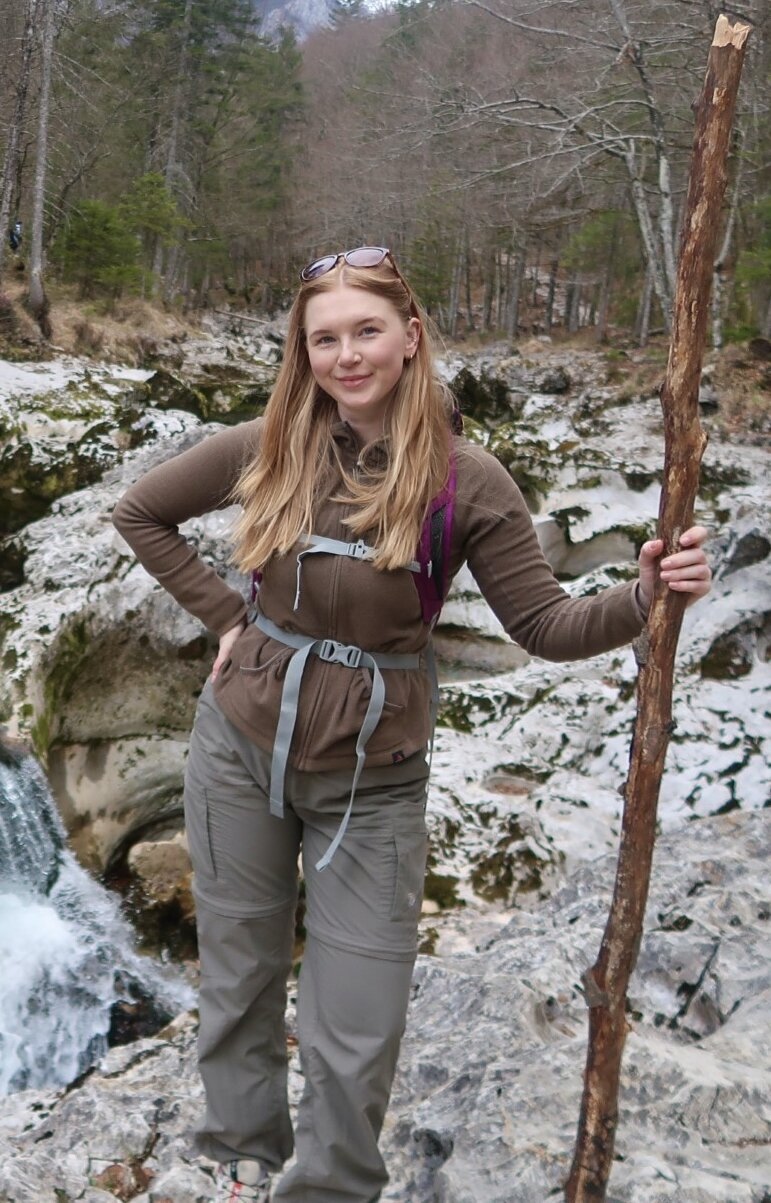
Chloe Baker - Frontend Software Developer
What is your current role at NOC?
I’m a Frontend Software Developer for the C2 team within MARS.
My time is primarily split between developing and maintaining our two apps, Fleet Finder (public) and the C2 Piloting app (internal). Additionally, I design most of the user interfaces for new features in our apps and present these designs to stakeholders for feedback and approval.
Who or what has helped you most in your career?
My degree apprenticeship has been the most beneficial experience in my career, as it allowed me to gain three years of professional experience while completing my university degree. In my role as a Software Engineer, I gained valuable practical skills, while my university studies provided me with a diverse range of knowledge, from cybersecurity to project management. Throughout these three years, I was surrounded by brilliant and supportive individuals. The different work and academic environments allowed me to learn significantly from my colleagues and mentors at work, while my lecturers and peers at university helped me succeed academically.
What has been the biggest challenge or failure in your career to date and how did you overcome it?
The biggest challenge in my career was being made redundant just one month before I completed my degree apprenticeship. At that point, I had finished writing my dissertation but still needed to prepare for another presentation. This made the situation particularly difficult, as I had to balance completing my university presentation, applying for new jobs, interviewing, and managing my day-to-day work.
Several factors helped me overcome this challenge. First, I focused on maintaining a positive attitude and saw this as a chance to find a new job that I would love and that could inspire me to achieve great things. Additionally, my current employer also helped me update my CV and encouraged me to build a portfolio, both of which were very helpful to me during my job search.
Overall, I learned that it’s important to take small steps, acknowledge your accomplishments, and remember that things will improve over time if you keep trying.
What advice would you give your younger self?
Embrace challenges, you’re more capable than you realise.
Chris Cardwell - Head of Electronic and Software

What is your current role at NOC?
My job title for the last 10 years has been Head of Electronics and Software, but the actual role has evolved quite a bit over that time. It started as managing the E&S team in OTE but now also involves project development, income generation and strategic development of technology across groups.
Who or what has helped you most in your career?
There have been times when having a mentor was really positive, but I think the best thing for me has been to focus on working on what I find enjoyable. Most people know I’d prefer to be hands-on and designing/making rather than flying a spreadsheet (which seems to be most of my time now) but the technology brainstorming phase during proposal writing, helping the team out with technical problems, discussing the projects we are working on with people outside of the organisation still gets me excited.
By having something you find interesting, you naturally want to make progress, learn about as much as you can and try to find solutions.
As to who, I’ve had advice from a lot of people over the years. Others with experience in roles similar to mine who looked out for me when starting through to those that on paper were completely unrelated, yet we found we had the same challenges. A couple of people have really believed in me and pushed me to go for things I wouldn’t have otherwise.
What has been the biggest challenge or failure in your career to date and how did you overcome it?
The obvious one to mention is the PhD. I’d never walked away from a project unfinished before and at the time it very much felt like a failure. However, it was one of the best decisions I have made in my career and wasn’t taken lightly or without a plan of what I was going to do next and how I was going to recover from it.
People in NOC were mainly understanding of the situation and several of those really helped me strengthen that recovery plan (head down, continually deliver good engineering whilst looking to deliver the same goals as I’d be expecting to deliver if it had been completed) and gave me the opportunities to go along with the support required. That put me back to where I’d originally been aiming pretty quickly with a bit of extra resilience than I might have had otherwise as well as being more aware of when others might need similar support and where I can provide that since.
What advice would you give your younger self?
I was lucky and had a really strong group of peers at Uni and learnt early on how much more can be achieved when you work together.
The thing I’d like to have known was how much more broadly the topic I wanted as a career could be applied. I thought I was setting myself up for a narrow field of jobs, but in reality that really wasn’t the case.
And how the things that I never expect to nearly always turn out to be the things that have the largest effect on your career (the off hand chat with someone outside of work, the project you didn’t think would go anywhere, the small stuff).
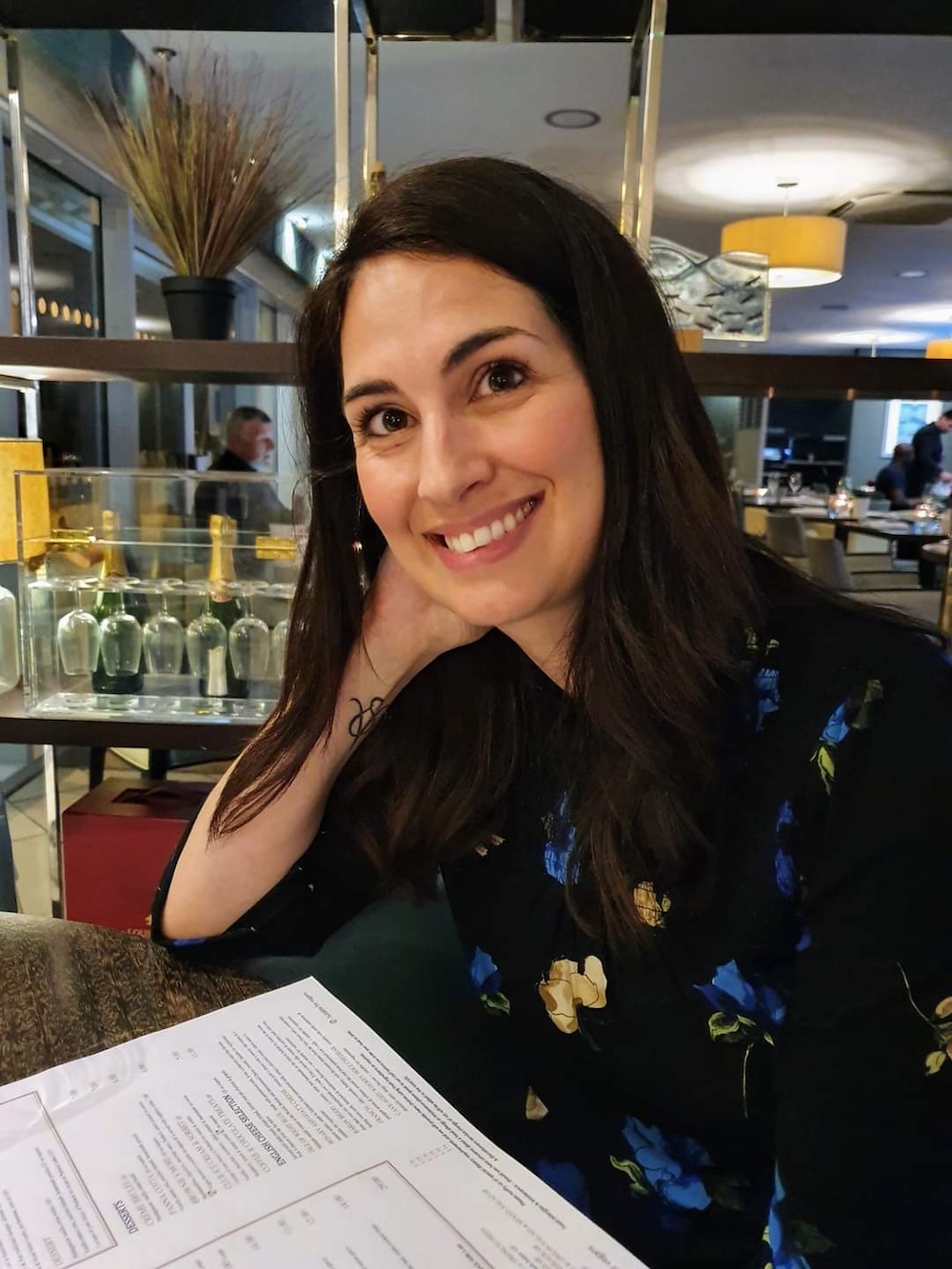
Kerry Lovett - Senior Financial Controller
What is your current role at NOC?
I am currently the Senior Financial Controller in the Finance department, where I ensure that the operational finance team meets regulatory and statutory reporting requirements, whilst maintaining strong financial controls through effective processes and policies. I oversee bank and systems controls, the fixed asset register, accounts payable, accounts receivable, VAT, and corporation tax. I am also responsible for overseeing the provision of information to facilitate both the internal and external audits.
Who or what has helped you most in your career?
At the start of my career, my goal was to become a Financial Controller. I was drawn to the role because of its diverse responsibilities, but I understood that reaching this position would require a strong foundation of well-rounded experience and an ACCA qualification and that was what I set out to achieve.
Completing my ACCA has been the most valuable step in my career so far. The ACCA qualification covers a broad range of essential topics, which greatly enhanced my knowledge, but it also taught me resilience and perseverance. Although I found the exams challenging and at times felt like giving up, it reinforced the idea that difficult things are worth pursuing. Without the ACCA, I wouldn't have had many of the opportunities I've been offered.
What has been the biggest challenge or failure in your career to date and how did you overcome it?
My biggest challenge to date was during COVID when I worked for a small construction firm. Due to government restrictions, I was suddenly responsible for furloughing as many staff as I could in order to save money and ensure I could make the payroll payments. Suddenly the company went from being really busy to everything coming to a stop and having to inform my staff that they would have to go home. I had to ensure that the company could survive financially and was able to agree a business interruption loan with good terms. I was also fortunate that I had taken out a business interruption insurance policy the previous year, which after a lot of reports and letter writing, they finally settled the claim (not many companies took out the appropriate insurance for such events).
What advice would you give your younger self?
Pursue what makes you happy, as you have to get up and do it every day. I always tell my daughters, do your best every day and no one can ask more of you. Treat others how you would like to be treated and always bring (healthy!?!) snacks!
Stephen House - Health and Safety Assistant

What is your current role at NOC?
The role I currently hold is as a Health and Safety (H&S) Assistant. Within this role I support the NOC H&S Advisor in developing the H&S Management System and associated procedures/processes, providing training to teams across the organisation and conducting inspections/audits, running events and supporting the embedding of a positive H&S culture throughout the business.
Who or what has helped you most in your career?
I have great appreciation of training courses. They provide detailed support on a specific subject.
But in terms of my career development, what helps me most isn’t training, it is the people who surround me. I am lucky. Within my role I work with employees and teams across the whole organisation and every single person makes time for me, challenges me and acts as a sounding board for ideas and some even share their developments/hints and documents that can help me to improve what I am doing! I think this shows the best feature of NOC, the people!
Picking just one person who has helped me most (is difficult as everyone helps me), but I would say my manager. I hope everyone gets the relationship I have with mine. Short of writing out a dating profile on how well we match, I would simply say that based on the line manager / employee relationship that we have, I am saddened I didn’t join NOC sooner! I don’t think I could give a bigger compliment.
What has been the biggest challenge or failure in your career to date and how did you overcome it?
My biggest challenge has been not knowing my end goal! I like to think, we rarely know where we will end up. My academic studies started with Mechanical Engineering and have so far led to Business Management. Neither seem to have the title Health and Safety in, though both can easily support me in my current roles. Not always knowing my next step presents a challenge as it can often mean I don’t have the same skill set or perhaps qualifications that a role would expect for me age. I overcame this by realising that I don’t have a ‘lack of knowledge’. I have a wide spread of knowledge. I know a lot, in subjects that actually can support me in developing my role into something which can support NOC better, given that we have engineering and business functions. Sometimes, the worst barrier you can have, is the lack of belief in yourself!
What advice would you give your younger self?
Take every opportunity, even if it doesn’t seem the most practical ‘next-step’. We chase those ladders because we are told success is being higher up them. I’ve come to learn that enjoying what you do, having flexibility to enjoy a loving home life and working with people who you can happily call your second family will always be the best decision. Even better, when you take that opportunity, you may even develop new passion for a career that you never would have considered!

Want to Work at NOC?
We are a world-leading oceanographic centre employing over 700 people. We provide excellent opportunities for staff from the UK and around the world, and from a range of backgrounds, to collaborate and contribute their experience and ideas to produce the highest quality research.